Florida Homes are Built Differently
Unlike up north, our homes and buildings are built with the objective of defending themselves against a harsh environment that includes a strong, relentless sun, corrosive elements (salt), uniquely agressive pests (formosan termites), and designed to hold themselves together in major storms instead of sustaining additional the roof weight from snow or the destruction caused by crevice expansion from ice.
Foundation
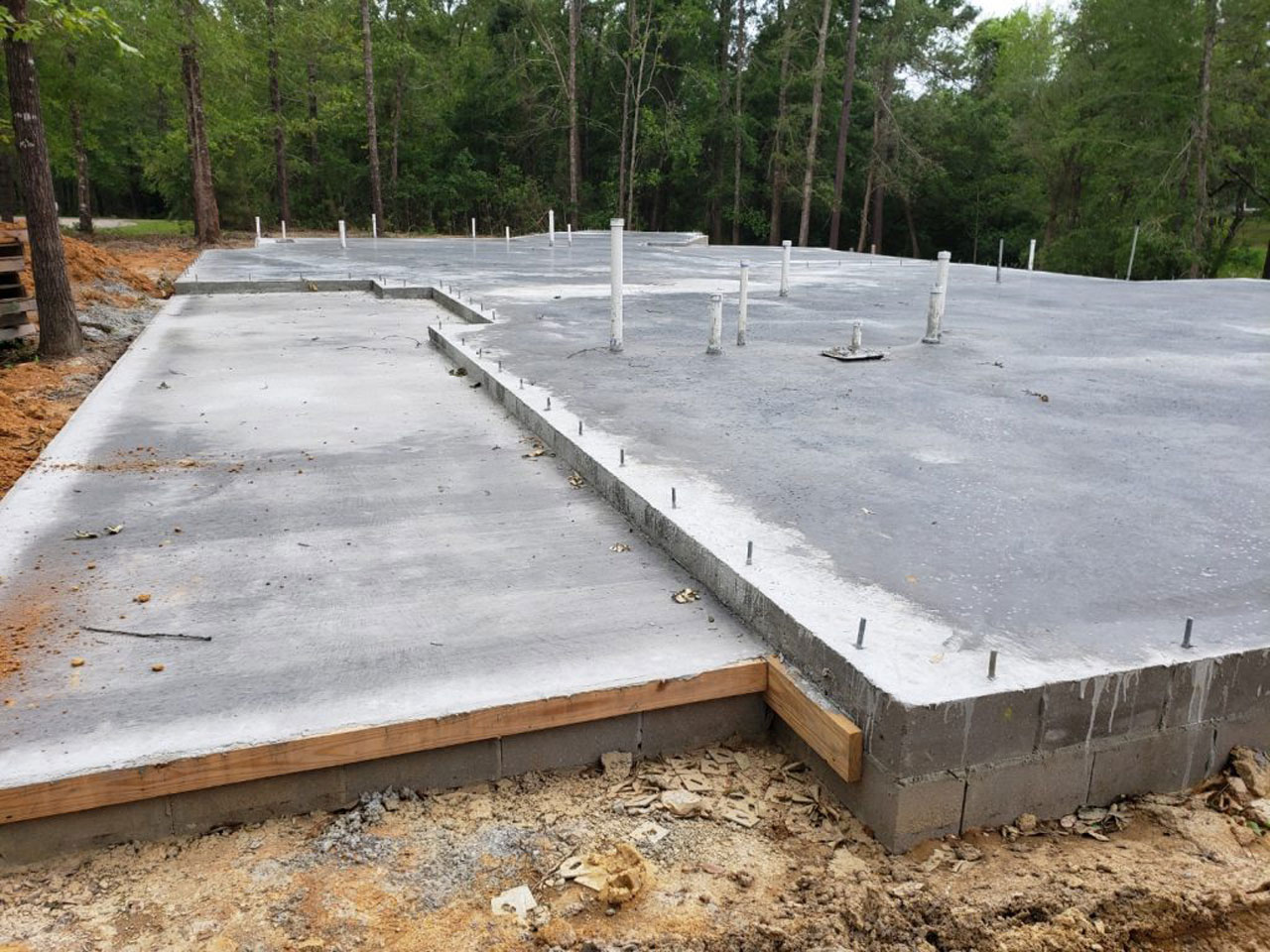
Construction of houses starts with compressed foundations and a thick concrete slab poured on top, or deeply sunk posts drilled deep down into rock that act as footings where any remaining space is filled with foam..
There are no basements (we are at sea level) and with such foundations critters cannot get under the house and cause problems.
There are no basements (we are at sea level) and with such foundations critters cannot get under the house and cause problems.
The Shell
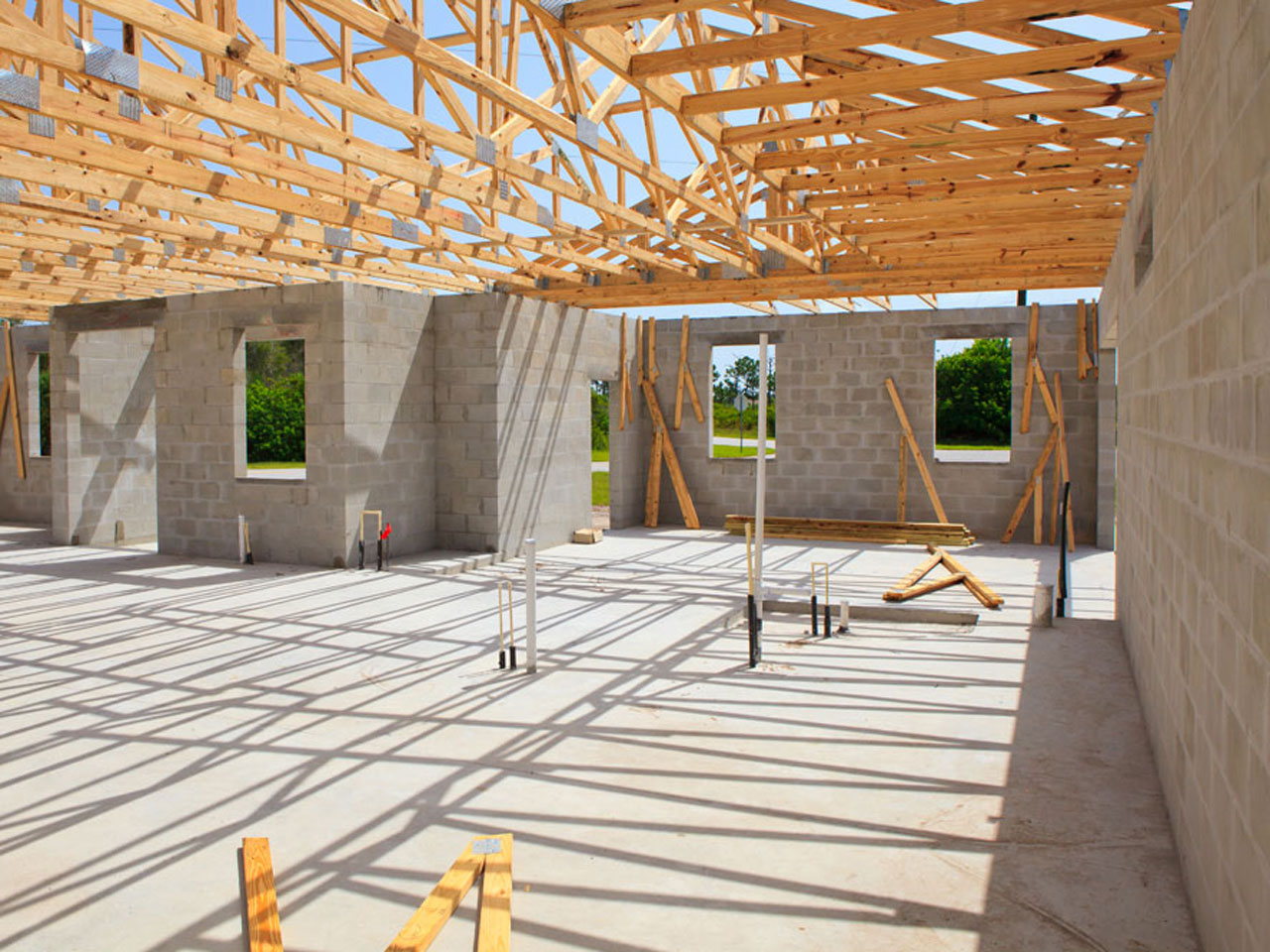
Concrete block walls form the perimeter, rebar (metal rods) runs through the blocks and concrete is pured into the block openings so as to create a single cohesive structure that wont budge.
Rebar that runs vertically pokes out of the top of the final blocks so that beams for the roof can be fastened to it. This is why the roof doesn't "pop-off" in a hurricane.
The better the "Strapping" of the roof the closer you get to maximum insurance discounts. It is here that you will hear about "single, double, and triple strapped roofs"
Rebar that runs vertically pokes out of the top of the final blocks so that beams for the roof can be fastened to it. This is why the roof doesn't "pop-off" in a hurricane.
The better the "Strapping" of the roof the closer you get to maximum insurance discounts. It is here that you will hear about "single, double, and triple strapped roofs"
The interior/Frame
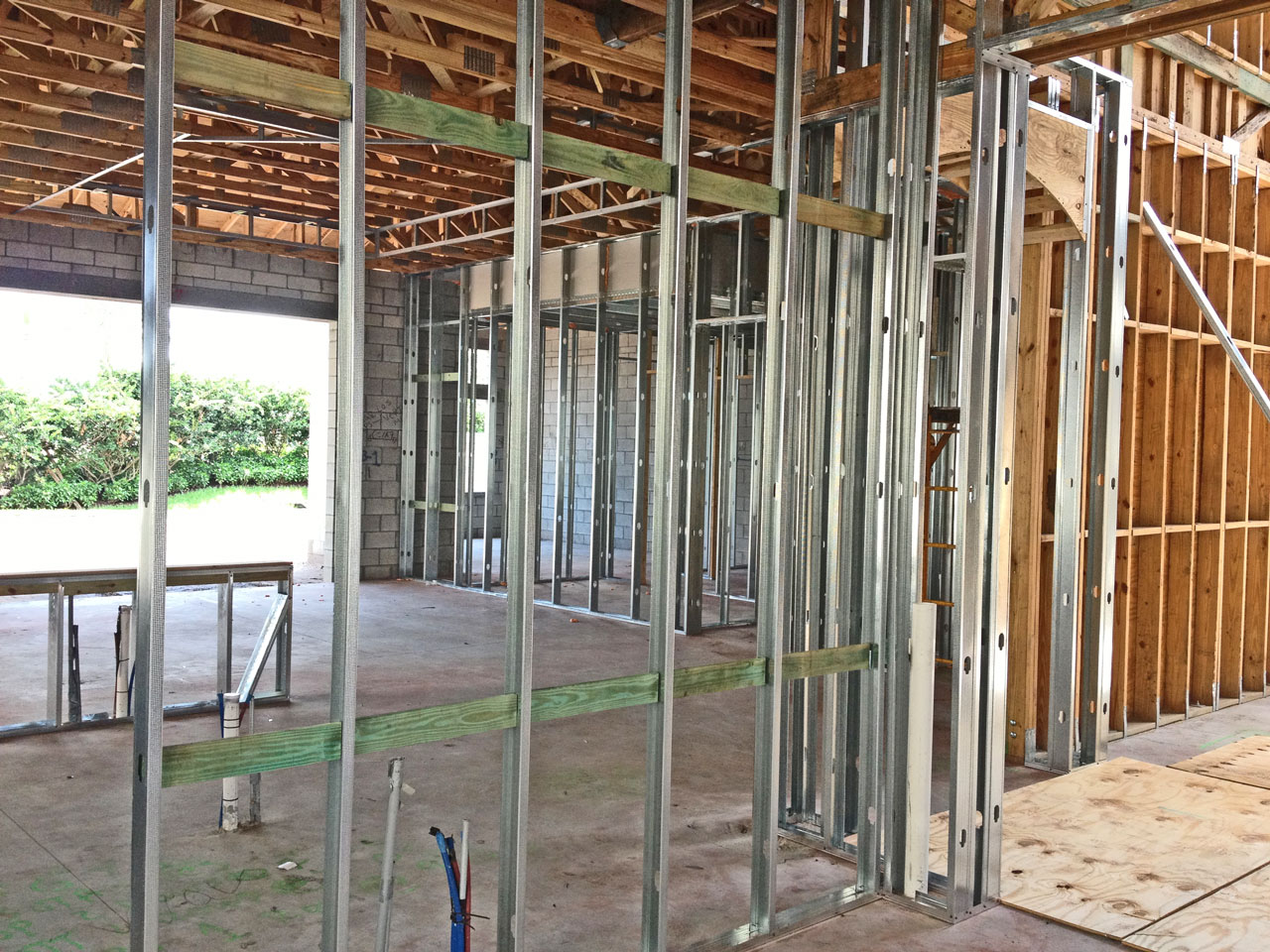
Aluminum and wood frames are used to separate rooms and sustain drywall. Plumbing protrudes through the floors through the conrete slab for connection to the community or city systems. Electrical is run through the framing and the joices in the ceiling.
Air ducts are installed and run throughout the area that will be the ceilings, and windows are installed. It is here that the use of impact windows will get the homeowner closer to a maximum insurance discount.
Air ducts are installed and run throughout the area that will be the ceilings, and windows are installed. It is here that the use of impact windows will get the homeowner closer to a maximum insurance discount.
Final touches
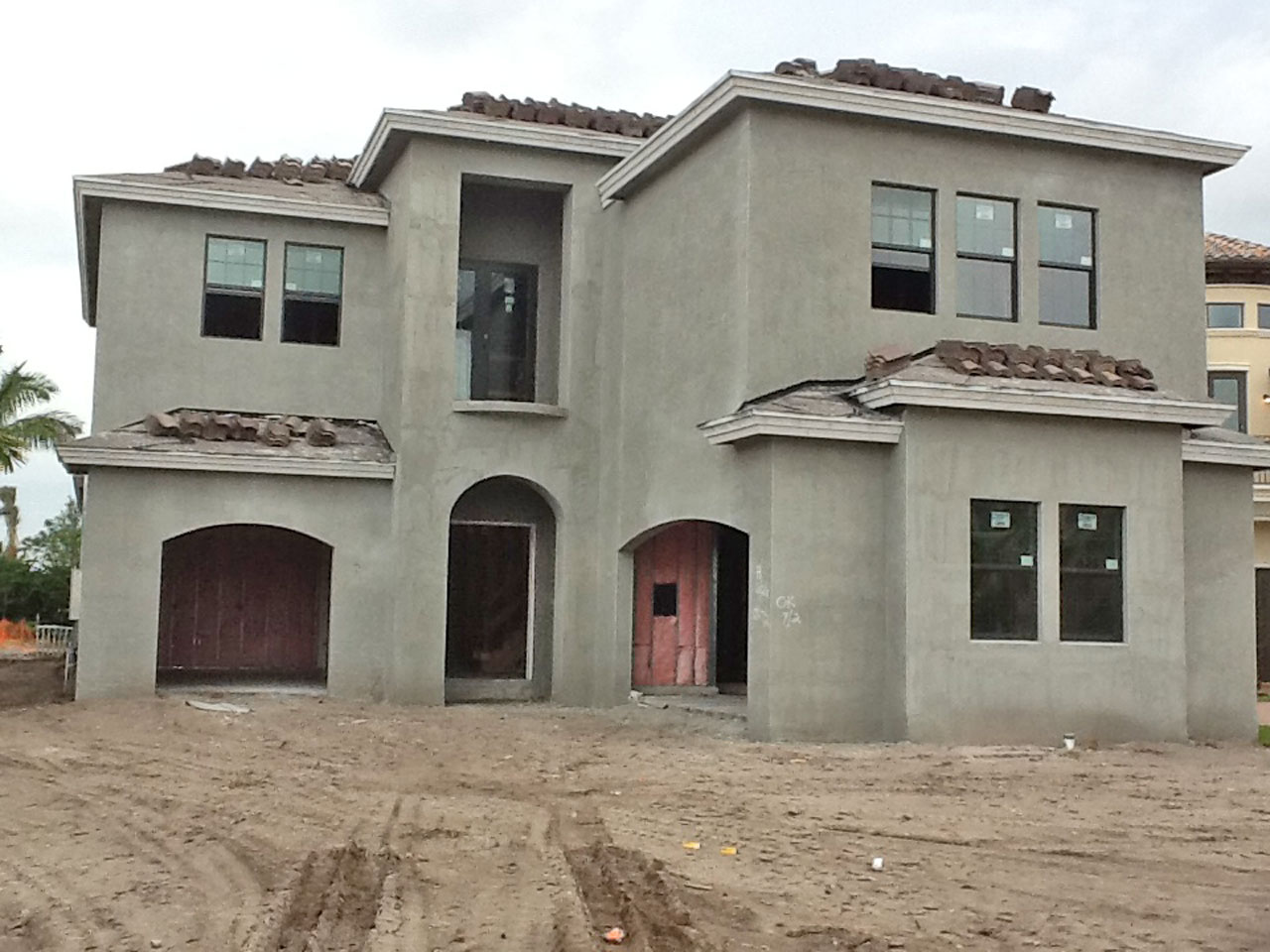
The home is completed when insulation is added, and roof tiles are placed and glued on top of the roof, and the whole home is stuccoed
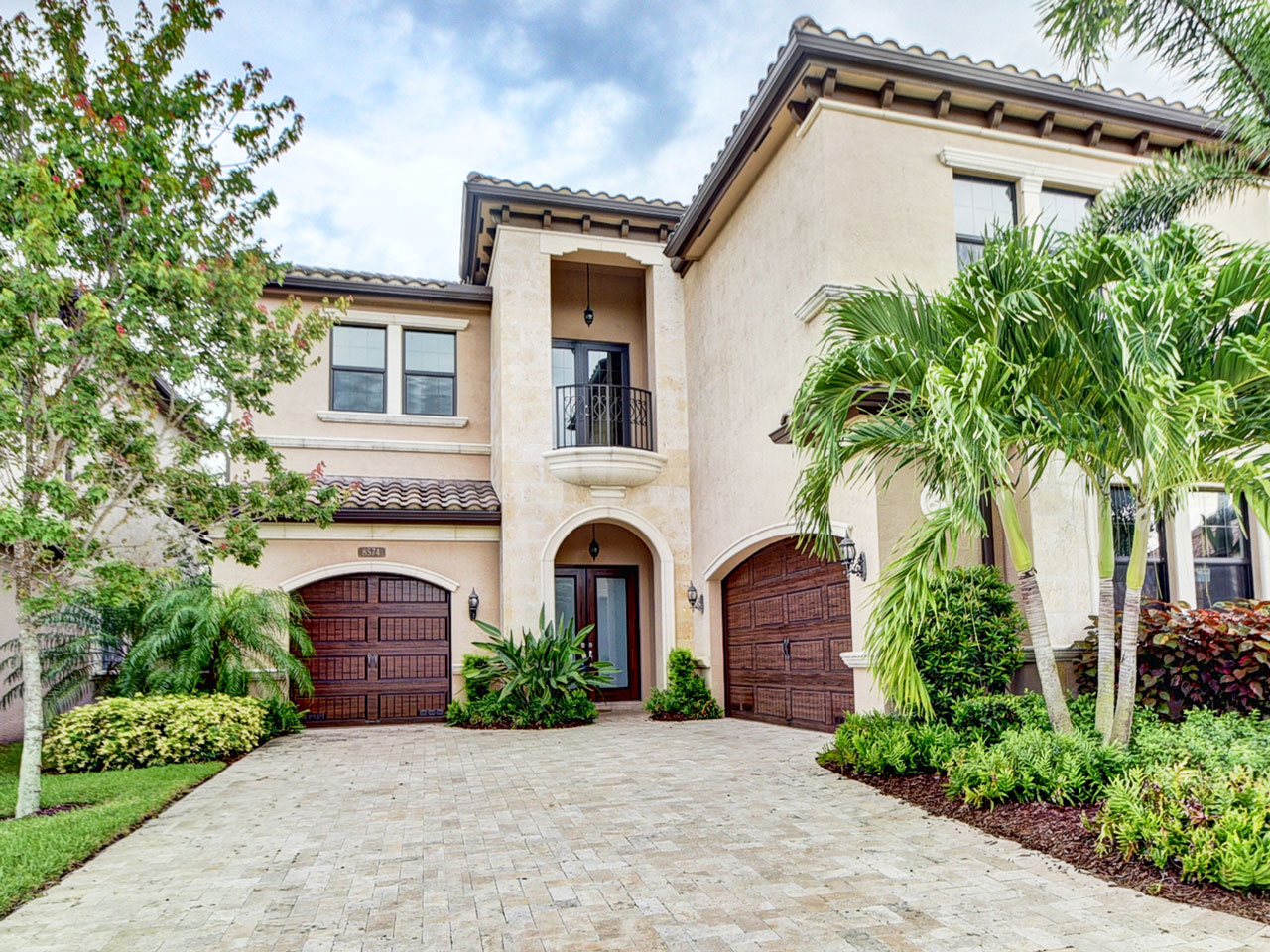
South Florida was built and settled from the coast toward the mainland, and homes closer to the ocean are typically older while homes more inland are newer.
This phenomenon is important to understand because newer homes are built to more modern codes, which affect insurance rates. New homes are now sold with hurricane windows included, and while older homes built before 1970 may not have that many, they have poured concrete walls which are solid as a rock and cost top dollar today.
It may be important to realize that poured concrete walls make it very difficult to modify windows and change the layout of the house. Lastly, much of South Florida is "technically" in some level of flood zone. When building a home we recommend that attention should be paid to raising the foundation of the structure to reduce the potential of flooding in the house.
Whether your home was meant to weather a snow storm or a hurricane, there are differences in the structures of our homes that keep us safe and protect our investments.
Remember to ask your agent for details about the home’s structuring to ensure you have in mind the types of upkeep or remodeling projects you might need to do... or stay away from.
This phenomenon is important to understand because newer homes are built to more modern codes, which affect insurance rates. New homes are now sold with hurricane windows included, and while older homes built before 1970 may not have that many, they have poured concrete walls which are solid as a rock and cost top dollar today.
It may be important to realize that poured concrete walls make it very difficult to modify windows and change the layout of the house. Lastly, much of South Florida is "technically" in some level of flood zone. When building a home we recommend that attention should be paid to raising the foundation of the structure to reduce the potential of flooding in the house.
Whether your home was meant to weather a snow storm or a hurricane, there are differences in the structures of our homes that keep us safe and protect our investments.
Remember to ask your agent for details about the home’s structuring to ensure you have in mind the types of upkeep or remodeling projects you might need to do... or stay away from.
